How to Plan a Slow Weekend with a Paper Map
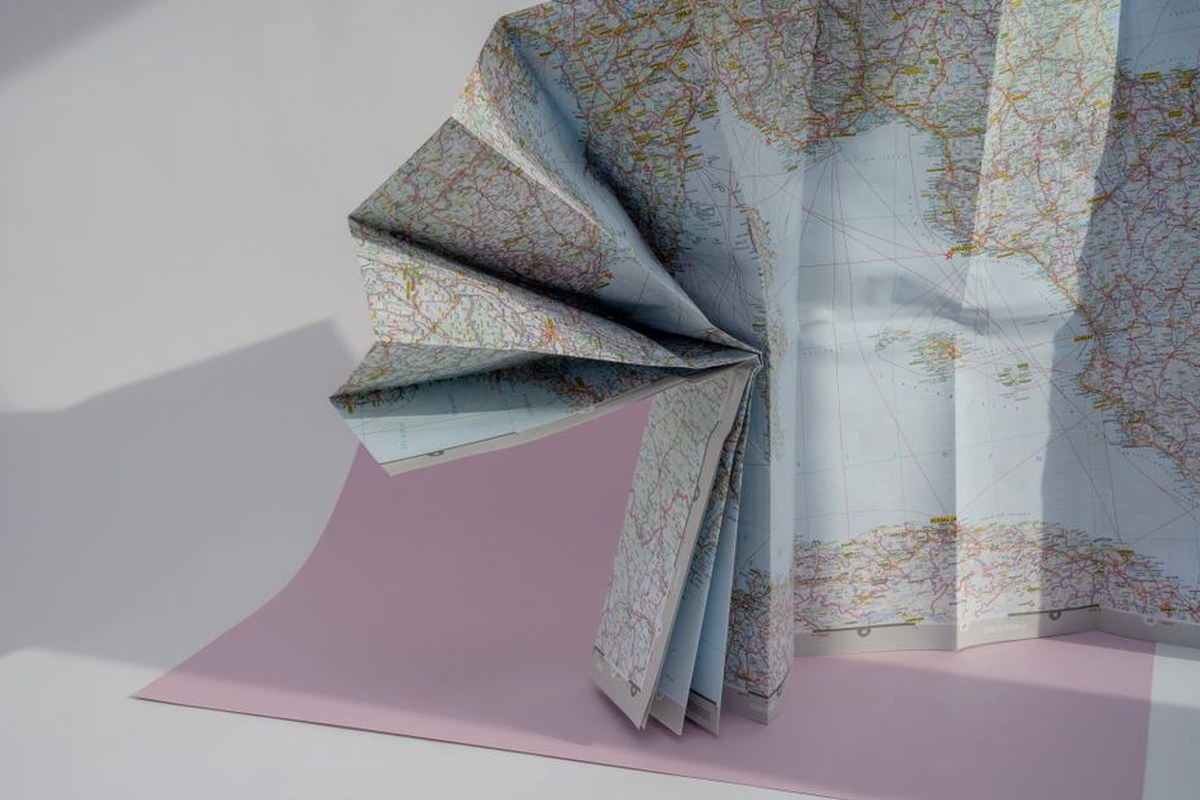
A good weekend away does not have to begin with a long list of attractions. Sometimes it begins with a paper map spread across a table, a pencil, and one simple question: what is close enough to explore slowly? Planning this way changes the rhythm of a trip. Instead of racing between landmarks, you build a loose route around a handful of places and leave enough empty space for the details that only appear once you arrive.
Start with a compact area rather than an entire region. A small town with nearby villages, a coastline with two or three walking paths, or a rural district crossed by local roads is usually enough for two days. On paper, distances are easier to understand as part of a landscape. You can see where rivers, hills, minor roads, parks, and settlements relate to one another before deciding where to spend your time.
Choose one anchor, not ten
Pick a single place that gives the weekend structure: a market town, a lake, a historic district, or a trailhead. From there, mark two or three optional stops within an easy radius. Treat them as possibilities rather than appointments. The point is to create direction without making the day feel scheduled.
This loose approach is especially useful when weather changes. A bright morning might be perfect for a longer walk, while rain can make a café, bookshop, covered market, or museum more appealing. Because the plan is small, changing it does not feel like losing anything.
Let minor roads tell part of the story
On a detailed map, the most interesting route is often not the fastest one. Look for quieter roads that pass through villages, farmland, old bridges, woodland edges, or viewpoints. Avoid adding too many detours; one scenic stretch is usually more memorable than five rushed ones. If you are driving, check practical road conditions separately, but keep the paper map as the broad visual guide.
For walkers and cyclists, mark reliable places to pause: a public garden, a bench near a river, a square, or a café. These small anchors make the day feel generous rather than demanding. They also encourage you to notice distances in a more human way.
Pack for pauses
A slow weekend works best when you are prepared to stop. Bring water, a light snack, a notebook, and a layer for changing weather. A camera can be useful, but it is just as rewarding to write down a street name, sketch a roofline, or note the smell of bread from a bakery. These fragments become the texture of the trip.
At the end of each day, look at the map again and trace where you actually went. The route will probably be less efficient than the one you first imagined. That is part of the appeal. A paper map is not only a navigation tool; it is a record of choices, wrong turns, rests, and places that were interesting enough to delay the next stop.
By planning less and looking more closely, a short weekend can feel surprisingly spacious. The destination matters, but the real pleasure comes from giving yourself enough time to notice what sits between the marked points.